


The Laws Don’t Change
How do sailing's laws help companies chart their course in headwinds?
In resilient organizations, work stays fluid — even under strain. Decisions move to the edge, where context is clearest and response is fastest. Momentum builds quietly.
In traditional hierarchies, disruption triggers control. Decisions rise upward. Approvals multiply. Friction spreads. Energy drains into coordination itself.
Operational Coordination
When pressure rises, structure reveals itself.
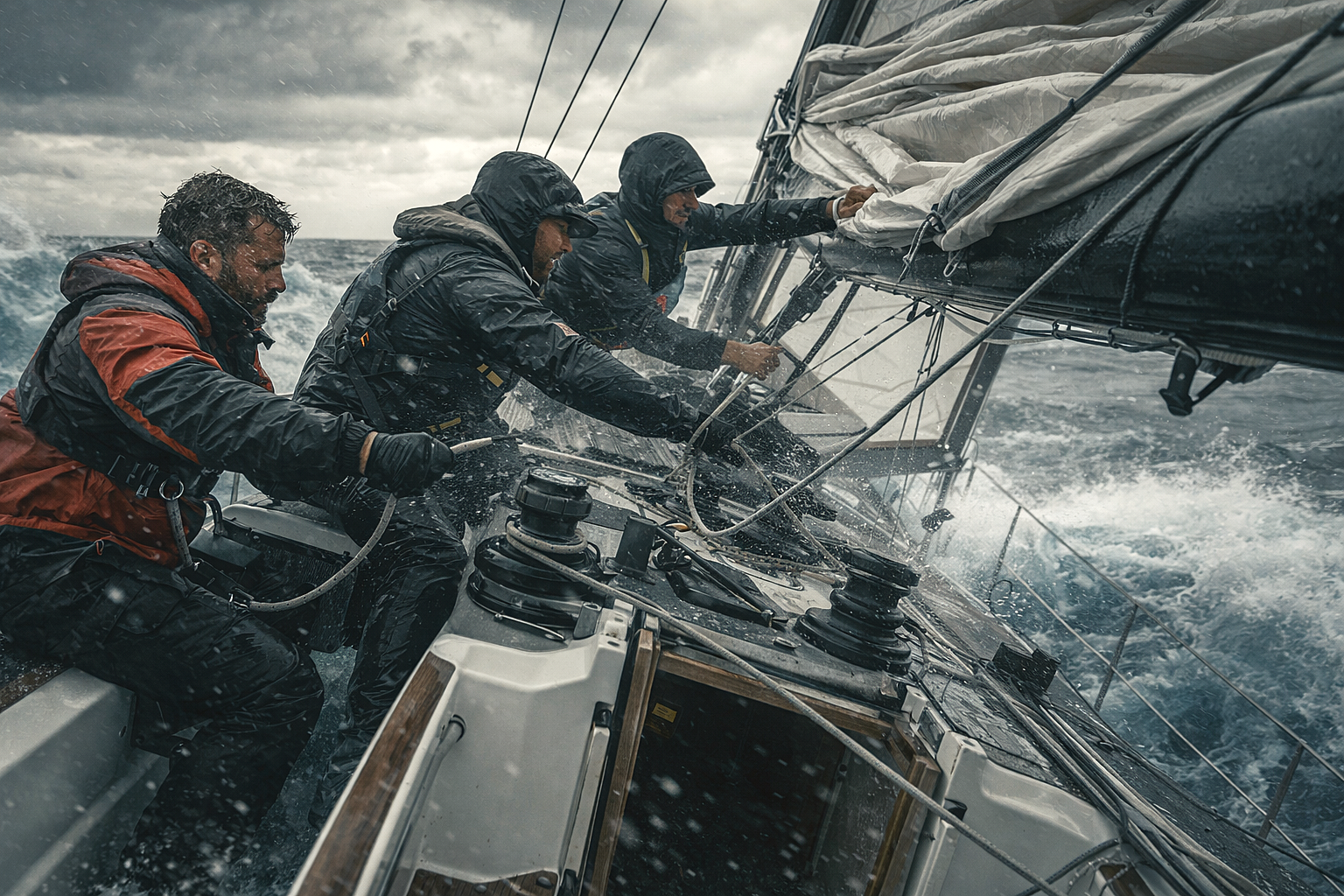
By the time the numbers fall, the race is lost.
Healthy enterprises detect shifts early.
They recognize early signals before results deteriorate.
Demand softens at the margins. Headwinds build. Inventories rise.
Traditional organizations rely on backward metrics and past momentum. Production continues.
The lot fills. The showroom empties.
Disruption rarely arrives unannounced.
Strategic Intelligence
It accumulates in plain view.

The warning signs in plain sight!
At sea, there is no service department. When equipment fails or conditions shift unexpectedly. The crew has to adapt with what is on board.
Strong organizations do the same. They solve problems where they occur, improvising with the resources of hand, using judgment and shared principles.
Weaker systems escalate and stall.
Self-Reliant Execution
Performance continues when support is absent.
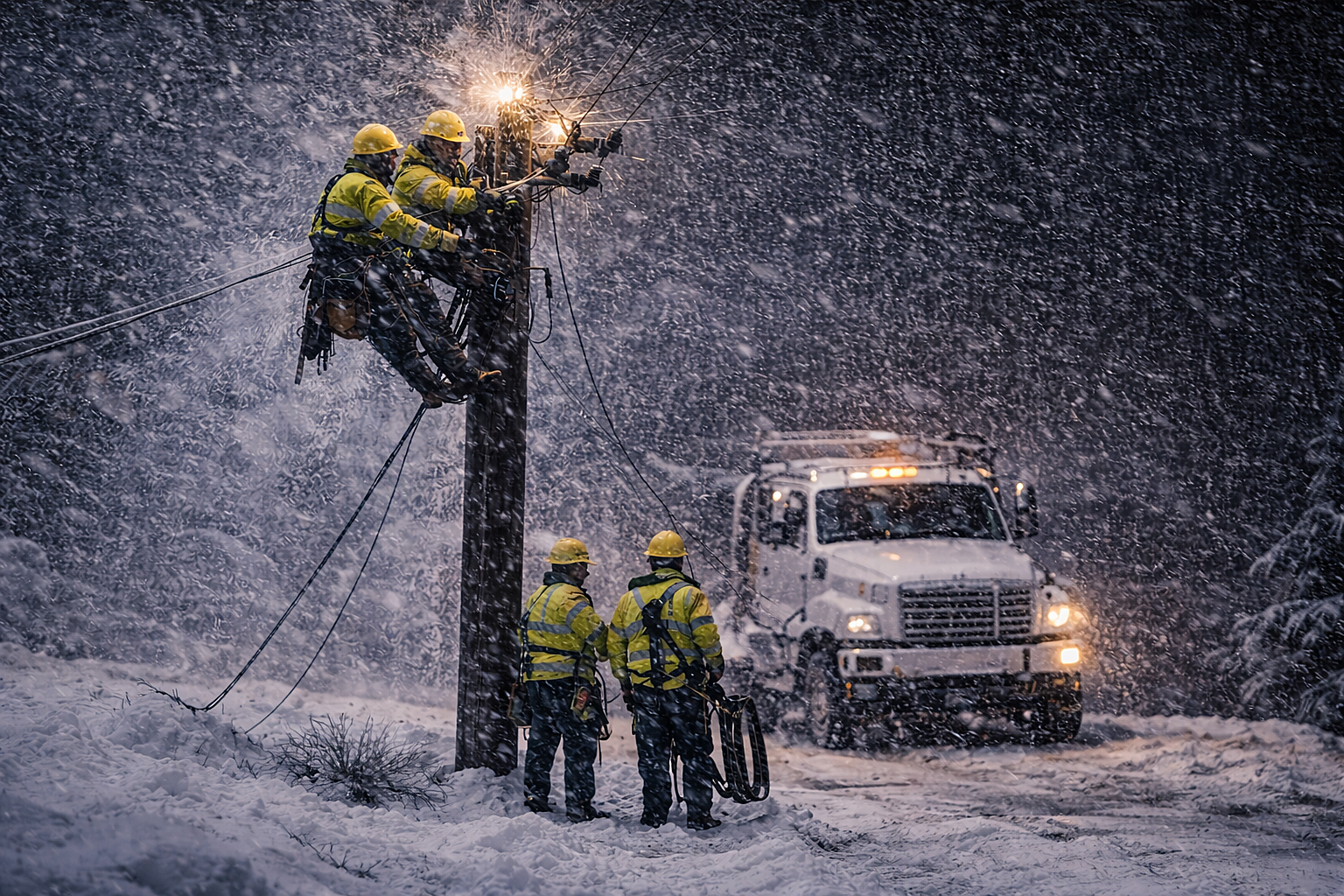
Execution continues when support is absent.
Strategic Readiness
Strong organizations maintain multiple ways to respond to changing conditions. They prepare in advance, rehearse alternatives, and know when to switch.
Weaker companies rely on a single dominant playbook. Confidence remains high even as relevance fades.
When conditions finally demand a shift, options feel limited — because optionality was never built.
When the moment comes, preparation decides.
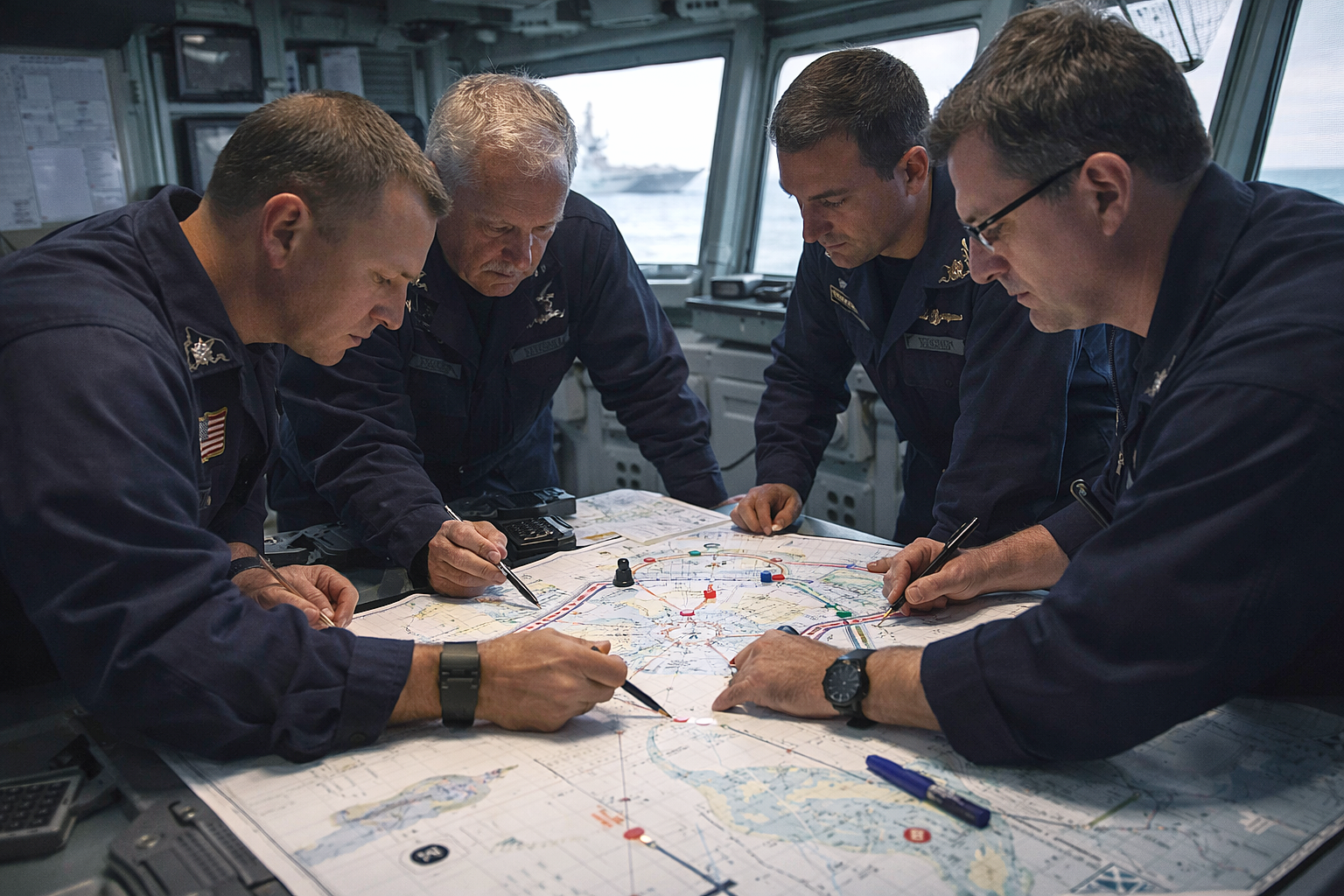
Options exist because they've been rehearsed.